
Readings:
Hosea 5.15-6.6; Ps 50. 7-15; Romans 4.13-25; Matthew 9.9-13, 18-26
May I speak in the name of God; always creating, redeeming, and sanctifying.
This week, I’ve had a few conversations around the importance of:
knowing facts about Jesus and our faith,
of showing up, and
of what our faith focusses on.
Partly because we’ve begun our Pilgrim course on Friday night, full of wonderful reflection and conversation, partly because that’s just what happened this week. And always the lectionary meets us where we need to be met.
Hosea is not an easy book to read. There is a great deal of tension in what is presented; for women, this book can be quite difficult. And the beauty of love of God we find presented in the words of Hosea lies in that tension. In Hosea’s words, we hear a God that is in agony at the betrayal of Israel as their worship is being distorted by Baal worship, the fertility god of Canaan.
Hosea prophesied during the final years of the northern kingdom of Israel (a reminder here that the kingdom of Israel split after Solomon’s death into the northern kingdom of Israel and the southern kingdom of Judah), amid political crisis and Assyrian threat. The people, especially their leaders, had failed in faithfulness, justice, and the knowledge of God.
It reminds us that when we worship gods other than our own, then justice begins to be distorted as our we turn away from proper knowledge of God.
Hosea’s words today help us to understand a couple of things that are backed up in Jesus’ actions in the gospel we read today. They are:
We know God by returning to God,
God’s justice and loyal love (chesed) are the pattern for human relationships
God’s consistency transforms our inconsistency.
How can we ever know someone or something without moving towards them? Without relationship? This might be on a large scale or small – interpersonal relationships, relationships between different social groups, relationships between nations – the only way we can know of someone else is through relationship.
It is the same with God. Knowledge of God is not merely about the intellectual; that of course has its place. True knowledge of God is relational and directional. Israel’s words are “Let us return to the Lord,” and, “Let us know, let us press on to know the Lord.”
They can say this because of their certainty that God will be there, “[God’s] appearing is as sure as the dawn.”
God’s appearing - the certainty that God will welcome us - is what is most powerfully demonstrated in the gospel this morning. Jesus not only call’s Matthew to follow him, but then joins Matthew at his home for a meal. This mutual movement towards each other allowed other people falling into the traditional category of “sinner,” to show up. They saw how Jesus moved towards them and became curious about him. They wanted to know about this weird guy who welcomes them to such a degree his is willing to become their guest. What better way to get to know someone than to invite them in as guest?
This takes me to the second point that God’s justice and loyal love (chesed) are the pattern for human relationships.
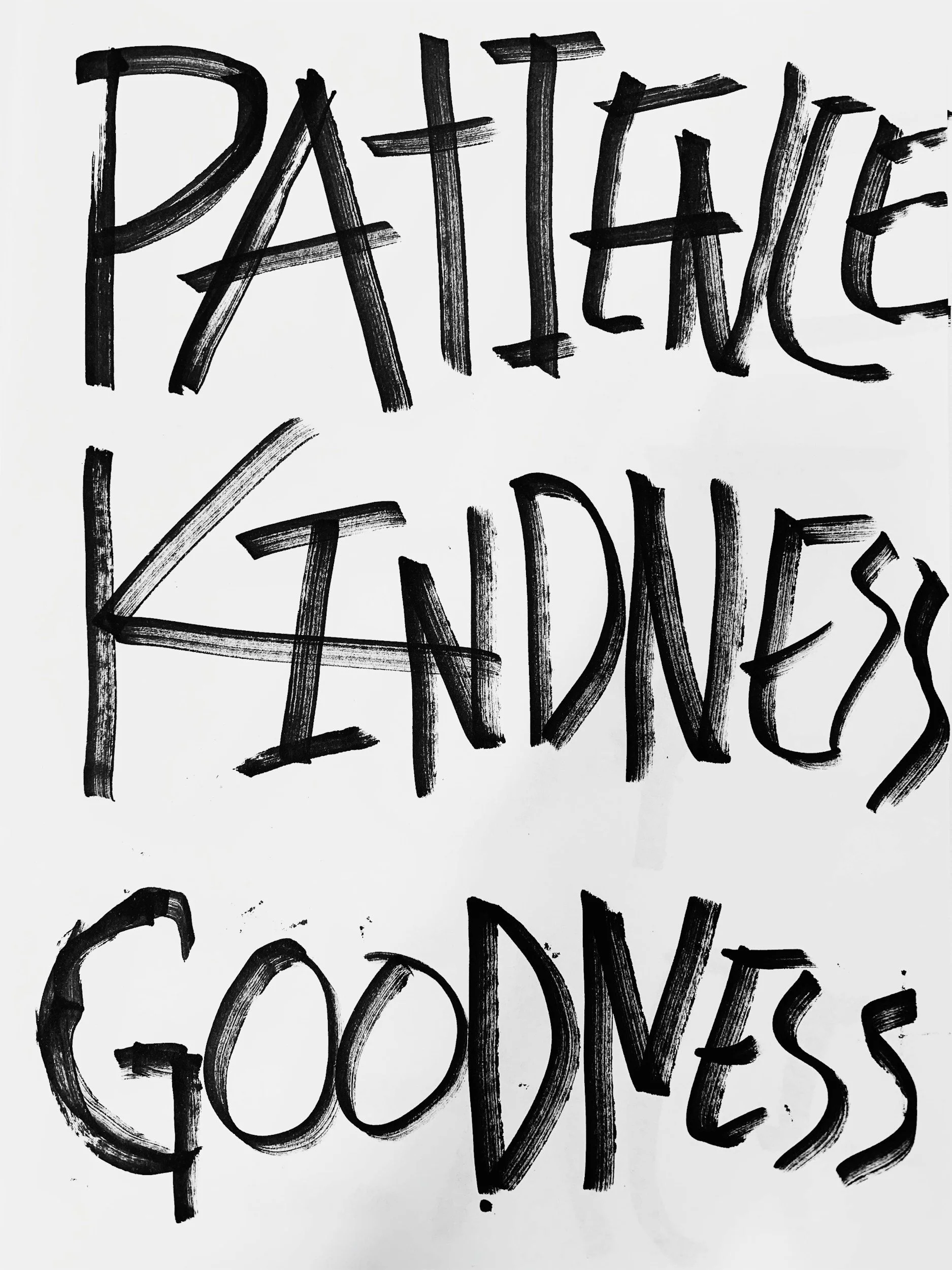
In Hosea, the leadership and people are not only worshipping God’s other than the LORD, but as a result their social life no longer reflects God’s justice and chesed. Chesed is the Hebrew word which “has been translated as loving-kindness, mercy, steadfast love, compassion, loyalty, goodness, great kindness, favour and loyal -love.”[1]
When Jesus says, “Learn what this means, ‘I desire mercy not sacrifice,’” this is what he’s talking about. In Hebrew, love is not a noun, it is a verb. And while we can understand that, our language and culture insist that love is a feeling and we then name that feeling, ‘love.’ But that is not the love of God, God’s love is chesed. It is loving-kindness, mercy, steadfastness, compassion, loyalty. These are verbs. These are ways of being.
When we turn away from God because our eye has been caught by something shiny over there, we have a tendency to forget the verb-iness of love. Turning back to Jesus and back to God helps us to learn who God is, in relationship, and that in turn affects how we want to be in the world. Not out of sacrifice, not to manipulate God into loving us more, but out of loving relationship with God, we want to be more welcoming and more active in the pursuit of justice.
The third point is Divine consistency transforms human inconsistency.
When Hosea records the words of Israel, their language incorporates the kind of language used in worship of the fertility god, Baal. This leads to questions of the sincerity of their repentance. But here is the gloriousness of this writing… it shows God’s compassion toward a people who cannot even repent properly without grace.
How often when we come to the confession and struggle to say it, or just say it without really thinking about it? In our liturgy there are two places to say confession they are, as our Archbishop said to me, “the first place or the right place”. Some people choose to say the confession at the beginning of worship (as is our usual practice) because they feel that receiving God’s absolution allows them to hear the scripture better.
Others choose to the say the confession in the second place (the right place according to the archbishop) because by hearing scripture, by praying together, we are better able to consciously confess our sins and to receive God’s absolution in a much humbler posture.
Either way, either place, we will likely not repent properly, we’ll leave here and our habits will kick back in and we’ll do it all again. But God’s compassion for us makes it possible to continue to turn towards God. The tension which makes it possible is our “imperfect human repentance is met with a perfect, divine righteousness.”
God’s nature is always to restore. We see this in how Jesus restores the daughter to life, in the way that he restores the woman to fullness of life, and in the way he restores tax collectors and sinners to community. And we will continue to be inconsistent in our response to God’s restoration.
The Good News is not that we need to try harder to repent properly… that will never happen.
The Good News is, as Mead says, “God’s steadfast character can bring life out of our inconsistency.”[2]
So let us continue to turn to God, turn towards the face of God in Jesus Christ, to know God in our relationship with God developed through prayer, reading scripture, talking with one another. Let us allow that relationship to shape our relationships with one another.
Out of gratitude for God’s presence with us, we fight for inclusion of all people, to bring about justice in the world, because we have received these things from God first.
Let us not allow our inconsistency, or the inconsistency of others, become a barrier to us seeking out God. Instead, let us be confident in the consistency of God that we know as sure as the dawn will come, we can always approach God, no matter what.
And that God is a God of chesed.
A God of steadfastness, of compassion, of loving-kindness, and loyalty.
Amen.
[1] https://free.messianicbible.com/feature/extravagant-chesed-love-god/
[2] https://wordandworld.luthersem.edu/wp-content/uploads/pdfs/28-2_Amos_and_Hosea/'Let%20us%20press%20on%20to%20know%20the%20Lord';%20Preaching%20the%20Knowledge%20of%20God%20in%20Hosea%205;15-6;6.pdf